Garden Umbrellas South Africa: A Professional Guide to Durable Outdoor Shade
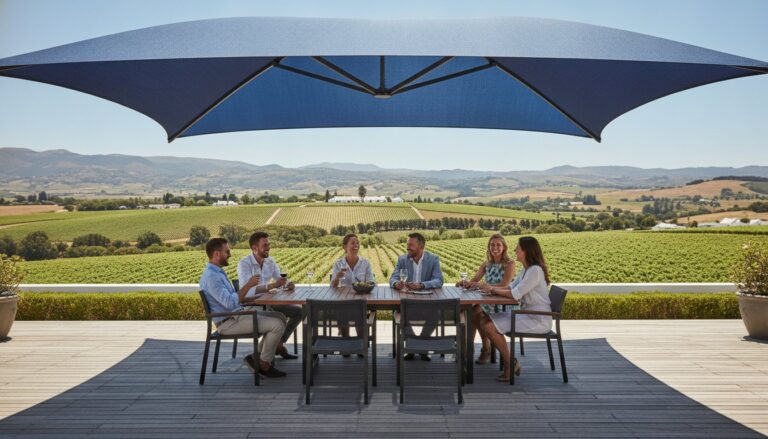
Most homeowners in South Africa treat a garden umbrella as a seasonal purchase, often expecting it to fail by the time the first summer storms arrive. It’s a common frustration to watch a new investment buckle under a sudden gust or see vibrant fabric turn brittle and grey after just a few months of exposure to the intense local sun. Finding reliable garden umbrellas South Africa can depend on requires a shift in focus from mere aesthetics towards commercial-grade durability and technical specification.
This guide provides the professional expertise needed to select a shade solution that remains stable in gusty conditions and retains its structural integrity for years. We’ll examine the specific advantages of 160gm poly-canvas and UV-resistant Oxford fabrics, whilst explaining why frame flexibility is the critical factor for wind resistance. By understanding these technical differences, you can ensure your outdoor space remains protected by a product that offers genuine value through long-term performance and stability.
Key Takeaways
- Identify the technical specifications of 160gm poly-canvas to ensure your shade solution resists UV degradation and fabric tearing over time.
- Learn how to select frame materials like aluminium and fibreglass that offer the necessary flexibility to withstand sudden South African wind gusts.
- Master the critical ratio between canopy size and base weight to keep your garden umbrellas South Africa stable and safe during use.
- Discover the advantages of sourcing directly from a professional manufacturer to access commercial-grade quality and durable components.
- Understand why centre-pole designs and specialised accessories like plastic umbrella spikes provide superior stability on diverse garden surfaces.
Understanding the South African Climate’s Impact on Garden Umbrellas
Selecting garden umbrellas South Africa can sustain through the summer months requires a deep understanding of local environmental stressors. Our climate presents a dual challenge: extreme ultraviolet (UV) radiation and sudden, high-velocity wind gusts. Many homeowners find that umbrellas purchased from general retailers lose their structural integrity before the first season concludes. This failure usually stems from a mismatch between the product’s engineering and the harsh reality of the local sun, which is significantly more intense than in many other parts of the world.
Whilst the History of the Umbrella reveals its origins as a simple portable canopy, modern outdoor shade solutions must function as durable architectural elements. High-intensity sun exposure doesn’t just cause aesthetic fading; it compromises the molecular structure of the fabric itself. Additionally, heat retention under a poorly ventilated canopy can make the outdoor experience uncomfortable. Professional-grade solutions focus on materials that reflect heat whilst allowing for consistent airflow to maintain a cool environment beneath the shade.
The Role of UV Radiation in Fabric Fatigue
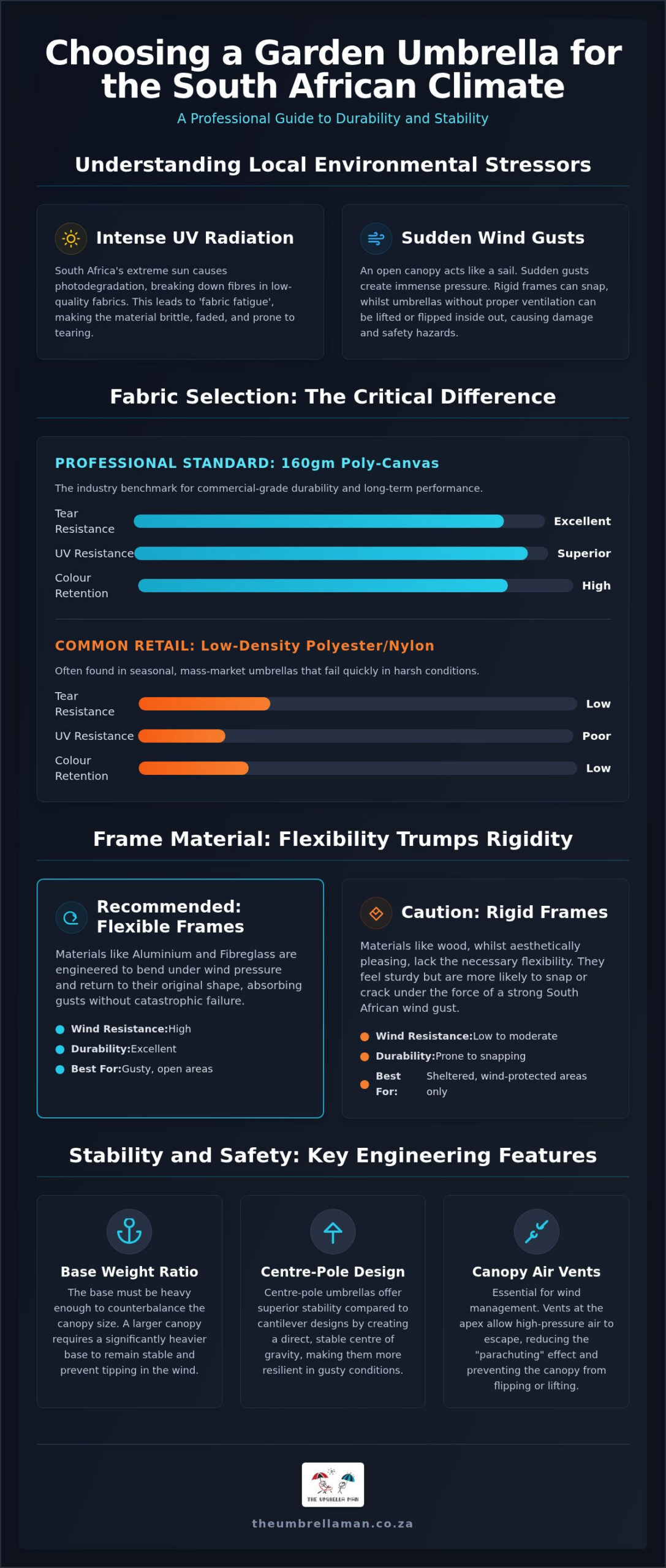
Photodegradation is the primary enemy of outdoor fabrics across the country. UV rays break down the synthetic fibres in lower-quality materials, leading to a condition known as fabric fatigue. This results in the material becoming brittle and prone to tearing under even minor tension. There’s a significant difference between basic shade and certified UV-resistant fabrics. Whilst darker colours provide a denser shadow, they tend to absorb more thermal energy. Choosing high-quality dyes and treated fabrics ensures the colour remains vibrant and the material stays strong for several years, even under direct daily exposure to the harsh sun.
Wind Shear and Canopy Dynamics
An open canopy in a garden setting functions effectively as a sail. When wind gusts strike, they create massive pressure against the fabric and frame. Rigid frames, though they feel sturdy, are often more prone to snapping because they cannot absorb or deflect the energy of the wind. Flexible frame components, such as reinforced ribs, are designed to bend and return to their original shape without structural failure. Integrating air vents at the apex of the canopy is a necessity for stability. These vents allow high-pressure air to escape, preventing the umbrella from “parachuting” or flipping inside out during a typical summer storm or coastal breeze.
Material Comparison: Poly-Canvas vs Poly-Nylon Beach and Garden Fabrics
Selecting the right fabric is the most critical decision when investing in garden umbrellas South Africa can offer. Whilst many retail models use thin, low-density polyester, professional-grade alternatives rely on specific weights and weaves to combat environmental wear. The 160gm poly-canvas has emerged as a versatile hybrid. It’s robust enough for permanent garden placement whilst remaining manageable for occasional relocation. This material’s technical superiority lies in its density, which provides a physical barrier against the sun’s energy and prevents the “pin-prick” light leaks often seen in lower-quality umbrellas.
Understanding the degradation of plastic and synthetic polymers is essential for any buyer. UV radiation causes chemical changes in fabric fibres, leading to the brittle texture often found in cheaper umbrellas. For this reason, materials like 210D Oxford with UV coatings are preferred for their specific protective layers. It’s also vital to distinguish between water resistance and water-proofness. A garden umbrella should be water-resistant to shed light rain, but total water-proofness often involves heavy plasticised coatings that trap heat and reduce the canopy’s lifespan. Most professional-grade fabrics focus on water repellency, which allows the material to breathe whilst keeping users dry.
Why 160gm Poly-Canvas is the Professional Standard
The 160gm poly-canvas is widely regarded as the industry benchmark for durability. Its high weave density provides excellent tear resistance, ensuring the canopy doesn’t shred during high-tension wind events. Beyond performance, there’s a distinct tactile difference; this material feels substantial and premium, which complements the aesthetic of a well-maintained patio or lawn. For those seeking a balance of strength and style, the 2.0m 160gm Poly-Canvas Beach Umbrella serves as an excellent garden hybrid that withstands daily exposure better than standard polyester.
Lightweight Alternatives: Nylon and Oxford
When portability is a priority, lightweight synthetics offer practical advantages. The poly nylon beach umbrella South Africa buyers rely on is an entry-level option suited for occasional garden use where the umbrella is stored away after each session. However, for more consistent exposure, the 1.85m 210D Oxford Beach Umbrella with UV is a superior choice. Oxford fabric provides a smoother finish and less ‘crinkle’ than nylon, whilst the integrated UV coating specifically addresses the issue of heat retention. These materials are particularly effective for smaller spaces or temporary setups. You can view a range of durable fabric options to find the right match for your specific outdoor requirements.
Selecting the Right Frame: Aluminium vs Wood vs Fibreglass
Frame construction serves as the skeleton of any shade solution. In South Africa, where weather shifts are rapid and often severe, the structural integrity of a centre-pole design remains the preferred choice for residential gardens. Whilst cantilever models are popular for their unobstructed space, centre-pole umbrellas offer superior balance and a more direct transfer of weight to the base. This design is less prone to the joint fatigue that often causes side-post models to lean or wobble over time.
Choosing between frame materials involves balancing weight, aesthetic appeal, and long-term durability. Wood provides a classic, organic look that many find appealing for traditional gardens or poolside decks. However, timber requires consistent maintenance to survive the local climate. Regular sanding and oiling are necessary to prevent the wood from cracking in the dry heat or rotting during the rainy season. Without this dedicated care, wooden frames can become brittle and lose their structural reliability within a few seasons.
The Strength of Aluminium in Garden Settings
Aluminium is the most practical choice for modern patios due to its natural corrosion resistance. It doesn’t rust, which makes it an ideal material for coastal regions or gardens with automated irrigation systems. When evaluating aluminium frames, it’s vital to consider the pole diameter and wall thickness. A thicker wall ensures the frame doesn’t buckle under the pressure of a shifting canopy. Maintenance is straightforward; a simple wipe-down and the occasional application of a silicone-based lubricant to the sliding mechanisms will keep the umbrella operating smoothly for years.
Fibreglass Ribs: The Secret to Wind Resistance
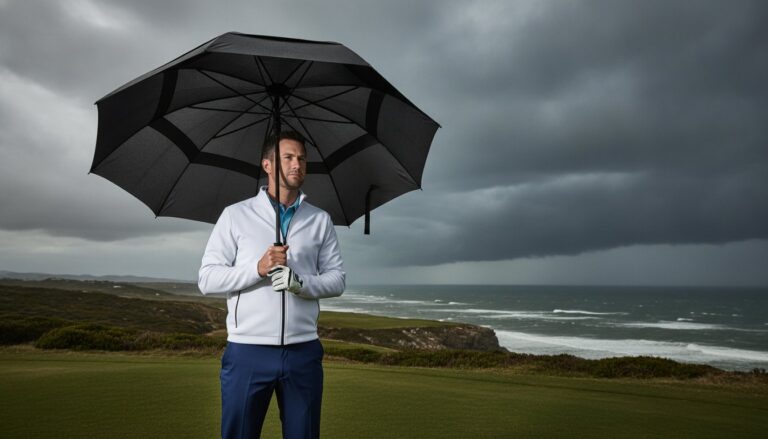
Fibreglass has revolutionised frame technology, particularly for high-wind areas. Unlike steel or wood, fibreglass ribs are engineered to flex. When a gust hits, the ribs bend to absorb the energy and then return to their original shape. This “memory” prevents the snapping that often destroys rigid umbrellas. This technology is a direct migration from professional sports equipment. For example, the 32″ Air‑vented Fibreglass Golf Umbrella uses these same principles to remain stable in extreme conditions.
When fibreglass components are paired with air-vented canopies, they provide the highest level of wind security for garden umbrellas South Africa residents can find. This combination allows high-pressure air to escape through the vent whilst the frame works with the wind rather than against it. This synergy of material and design ensures that the umbrella remains a stable pillar of your outdoor living space, even when the weather becomes unpredictable.
Stability and Wind Resistance: Ensuring Your Umbrella Stays Put
A garden umbrella is only as reliable as its anchoring system. In South Africa, where wind speeds can escalate rapidly, the relationship between canopy size and base weight is a fundamental safety consideration. A common error involves using an underweight base for a large canopy, which creates a high centre of gravity and increases the risk of the unit toppling. For a standard 2.0m 160gm Poly-Canvas Beach Umbrella used in a garden setting, a base of at least 15kg to 20kg is typically required for basic stability. However, the larger 2.56m Garden Pattern Umbrella demands a more substantial ballast, often exceeding 25kg, to counteract the increased surface area that catches the wind.
Whilst permanent ground sockets offer the highest level of security, they lack the flexibility required for changing garden layouts. Mobile bases allow you to track the shade as the sun moves, but they must be sized correctly for the specific umbrella model. For temporary shade on lawns or amongst soft garden beds, a Plastic Umbrella Spike provides a surprisingly effective alternative. These spikes leverage the resistance of the soil to create a secure anchor point without the need for a heavy, cumbersome base. They are particularly useful for targeted shade during outdoor events or for protecting specific plants from midday heat.
Choosing the Correct Base and Spike
Selecting the right anchoring method depends largely on the soil type and the expected duration of use. In clay-heavy soils, a spike can achieve a very firm grip, whereas sandy garden soil might require a wider-diameter ground socket or a weighted mobile base. It’s practical to assess the wind exposure of your specific patio or lawn area before deciding. If your garden is prone to “tunnelling” winds between buildings, a permanent ground socket is often the safest long-term investment. This ensures the pole remains vertical even when the canopy experiences significant lateral pressure.
Wind-Resistant Design Features to Look For
The engineering of the canopy itself plays a vital role in reducing “lift.” An air-vented design allows air to flow through the top of the umbrella, which equalises the pressure between the underside and the top of the fabric. This prevents the umbrella from acting like a parachute and lifting out of its base. Additionally, the tensioning system, whether it involves a simple push-up mechanism or a pulley system, must keep the fabric taut. Loose fabric is more likely to flap and vibrate, which puts unnecessary stress on the frame joints. You can read our guide on choosing a wind resistant beach umbrella South Africa to understand more about these specific aerodynamic features.
Securing your equipment when not in use is the simplest way to extend its lifespan. Always close the umbrella and secure it with a tie-strap during high winds or when you are away from home. This prevents the canopy from catching a sudden gust that could lead to structural damage. To ensure your outdoor space is properly equipped, you can explore our range of professional-grade bases and spikes designed for the local climate.
Sourcing Quality Garden Umbrellas from a Reliable Manufacturer
Procuring garden umbrellas South Africa can rely on involves more than selecting a style from a showroom floor. Sourcing directly from a national manufacturer provides a level of transparency and quality control that retail intermediaries often cannot match. When you deal with the producer, you gain direct access to technical data regarding fabric weights and frame tensile strength. This ensures that the 160gm poly-canvas or reinforced aluminium components discussed in previous sections are exactly what you receive. A direct relationship also simplifies the procurement process for those requiring specific technical modifications or high-volume orders.
Identifying commercial-grade equipment for residential use is a practical way to ensure longevity. Hospitality-standard umbrellas are designed for daily deployment and constant exposure, making them an excellent investment for a private garden. These products typically feature thicker pole walls and superior fabric treatments compared to standard consumer models. Additionally, a reliable manufacturer maintains a robust supply chain. This is vital for maintaining consistency across bulk orders and ensuring that replacement parts or matching units are available in the future. Consistency in manufacturing is particularly important for residential estates or clubs that require a uniform aesthetic across their outdoor spaces.
The Umbrella Man Advantage
Established in 2009, The Umbrella Man has built a reputation as a stable pillar in the South African outdoor industry. Our focus remains on manufacturing professional-grade solutions that cater to both commercial sectors and discerning individuals. By specialising in durable materials like 160gm poly-canvas and reinforced fibreglass frames, we provide products engineered for the local environment. Our national manufacturing and supply capabilities allow us to serve a diverse range of sectors whilst maintaining the quiet competence of a trusted industry partner. We prioritise functional needs and long-term durability over fleeting design trends.
Bulk and Commercial Requirements
Organising wholesale orders for schools, sports clubs, or retail groups requires a methodical approach to logistics and quality assurance. We understand the diverse needs of the hospitality and corporate sectors, where an umbrella serves as both a functional tool and a branding opportunity. High-quality manufacturing ensures that every unit in a large-scale project meets the same professional standards. For organisations looking to enhance their outdoor presence, you can Explore our custom branded umbrellas South Africa for corporate use. This service integrates durable shade with professional visibility, providing a comprehensive solution for promotional requirements and hospitality environments alike.
Investing in Long-Term Outdoor Stability
Selecting the right shade solution requires a balance between technical specification and practical application. As explored in this guide, the longevity of garden umbrellas South Africa depends on the synergy of high-density fabrics and flexible frame engineering. By prioritising 160gm poly-canvas for its UV resistance and opting for flexible fibreglass or rust-proof aluminium frames, you can ensure your outdoor investment withstands the local climate’s unique pressures. Proper anchoring with weighted bases or ground spikes further guarantees that your setup remains secure during unpredictable weather shifts.
The Umbrella Man has been a trusted national manufacturer since 2009, providing commercial-grade quality to both retail and wholesale clients. We focus on delivering durable, professional solutions that prioritise functional integrity and consistent performance. Our commitment to using high-quality 160gm poly-canvas as standard ensures that every product we supply is ready for the intense South African sun. You can View our range of professional garden and beach umbrellas to find a solution that matches your specific requirements. We look forward to helping you create a stable and comfortable outdoor environment that lasts for many seasons to come.
Frequently Asked Questions
What is the best material for a garden umbrella in South Africa?
The 160gm poly-canvas is widely considered the professional standard for garden umbrellas South Africa requires. This material offers a high weave density that resists UV degradation and physical tearing better than standard polyester. Its ability to withstand the intense local sun whilst maintaining structural integrity makes it the most reliable choice for long-term outdoor placement. Pairing this fabric with a flex-resistant frame ensures a durable shade solution.
Is a poly canvas beach umbrella suitable for permanent garden use?
A 2.0m 160gm Poly-Canvas Beach Umbrella serves as an excellent hybrid for permanent garden use. Whilst designed for portability, its heavy-duty fabric and reinforced construction provide the durability needed for a patio or lawn. It’s important to ensure the unit is anchored in a weighted base or a ground socket to handle the consistent wind exposure typical of South African gardens during the summer months.
How do I stop my garden umbrella from blowing over in the wind?
Stability is achieved through a combination of correct base weight and aerodynamic design features. For most garden umbrellas South Africa homeowners use, a base between 15kg and 25kg is necessary depending on the canopy diameter. Selecting models with air vents at the peak allows high-pressure wind to escape, which significantly reduces the risk of the umbrella toppling or “parachuting” during sudden summer gusts and afternoon storms.
What is the difference between Oxford and poly-canvas fabrics?
The primary difference lies in the weight and intended application of the material. 160gm poly-canvas is a denser, heavier fabric designed for superior durability and long-term garden placement. In contrast, 210D Oxford fabric is lighter and often includes a specific UV coating. Whilst Oxford is highly effective for portable shade, poly-canvas offers a more premium tactile feel and greater resistance to fabric fatigue over multiple outdoor seasons. For a detailed technical comparison of how denier ratings and weave density affect UV protection, our professional guide to Oxford and poly-nylon UV protection in South Africa provides further clarity on selecting the right fabric for your needs.
Do I need a special base for a 2.56m garden umbrella?
A 2.56m Garden Pattern Umbrella requires a more substantial anchoring system than smaller models. Because of its larger surface area, it catches more wind and creates greater lateral pressure on the frame. A mobile base should weigh at least 25kg to ensure stability. For the highest level of security in exposed areas, we recommend using a permanent ground socket or a heavy-duty concrete ballast to prevent toppling.
Can I brand my garden umbrellas for a commercial venue?
Custom branding is a core service for commercial and hospitality venues. The Umbrella Man specialises in bulk promotional orders, allowing businesses to integrate corporate logos and colours into their shade solutions. This process uses high-quality printing techniques that remain vibrant despite constant UV exposure. It’s an effective way for schools, clubs, and restaurants to provide durable shade whilst maintaining professional visibility across their premises and outdoor seating areas.
How long should a high-quality garden umbrella last?
A high-quality garden umbrella manufactured with professional-grade materials should last for several years. Longevity is determined by the combination of UV-resistant 160gm poly-canvas and a corrosion-proof frame. Whilst retail models often fail within a single season, commercial-grade units are engineered for daily use. Regularly closing the canopy during extreme weather and using a protective cover when stored will further extend the lifespan of your equipment significantly.
Are aluminium frames better than wooden ones for outdoor use?
Aluminium frames are generally superior for outdoor use due to their natural corrosion resistance and low maintenance requirements. Unlike wood, aluminium won’t crack in the dry heat or rot during the rainy season. Whilst wooden frames offer a traditional aesthetic, they require consistent sanding and oiling to remain reliable. For most modern gardens, aluminium or fibreglass provide a more practical and durable alternative that requires minimal upkeep over time.